Choose a place to store coffee beans
Keep coffee away from air, moisture, heat and light while preserving the useful information on its bag.
A clear jar beside a sunny kitchen window makes the beans easy to see. It also puts them in light and a place that may warm up during the day. A shaded cupboard away from appliances is a better starting point for ordinary daily storage.
Choose the cupboard
The National Coffee Association storage guide identifies air, moisture, heat and light as factors that affect coffee freshness. It recommends an airtight, opaque container in a cool, dark place, away from heat sources such as an oven or dishwasher.
Check the container is clean and dry before adding coffee. Follow any storage directions on the bag. There is no universal day on which all coffee suddenly becomes stale, so this guide does not promise a fixed freshness window.
Keep the bag information
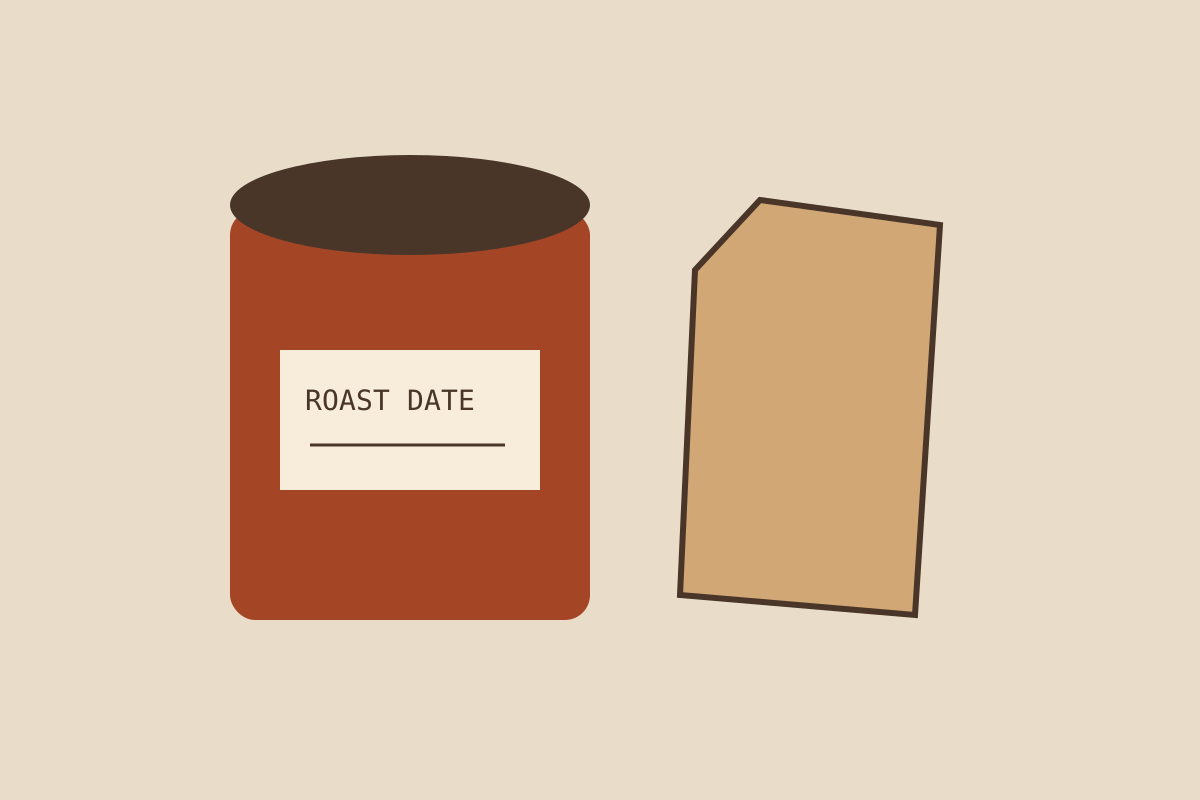
If you move the beans into a container, keep the bag label or copy its details. Record the coffee name, roaster and roast date if one is provided. Keep any lot information and the producer’s date wording as printed.
Write down when you opened the bag. That is your own observation, separate from the roast date. Avoid topping up an old batch with a new one if you want a clear record of which coffee you are brewing.
Buy for actual use
At 20 g per batch, a 250 g bag provides twelve full batches with 10 g left. That arithmetic can help you choose a bag size. It does not predict how long the coffee will taste good to you.
Use your actual brewing frequency when planning the next purchase. Keep the container closed between brews and return it to its storage place once the dose is measured.